Three feature films. Three countries. Igor Marlot’s honest breakdown of what held it all together. A field report by a Deity-equipped production sound mixer.
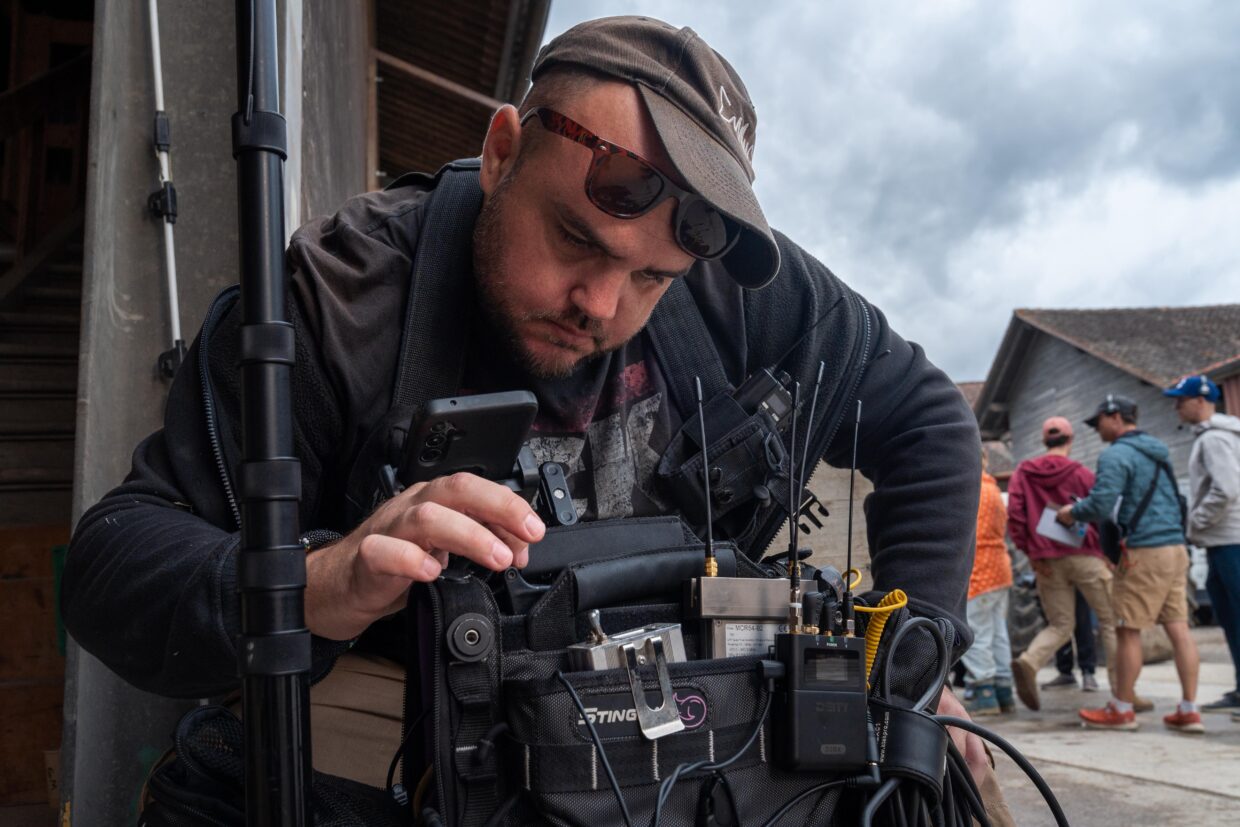
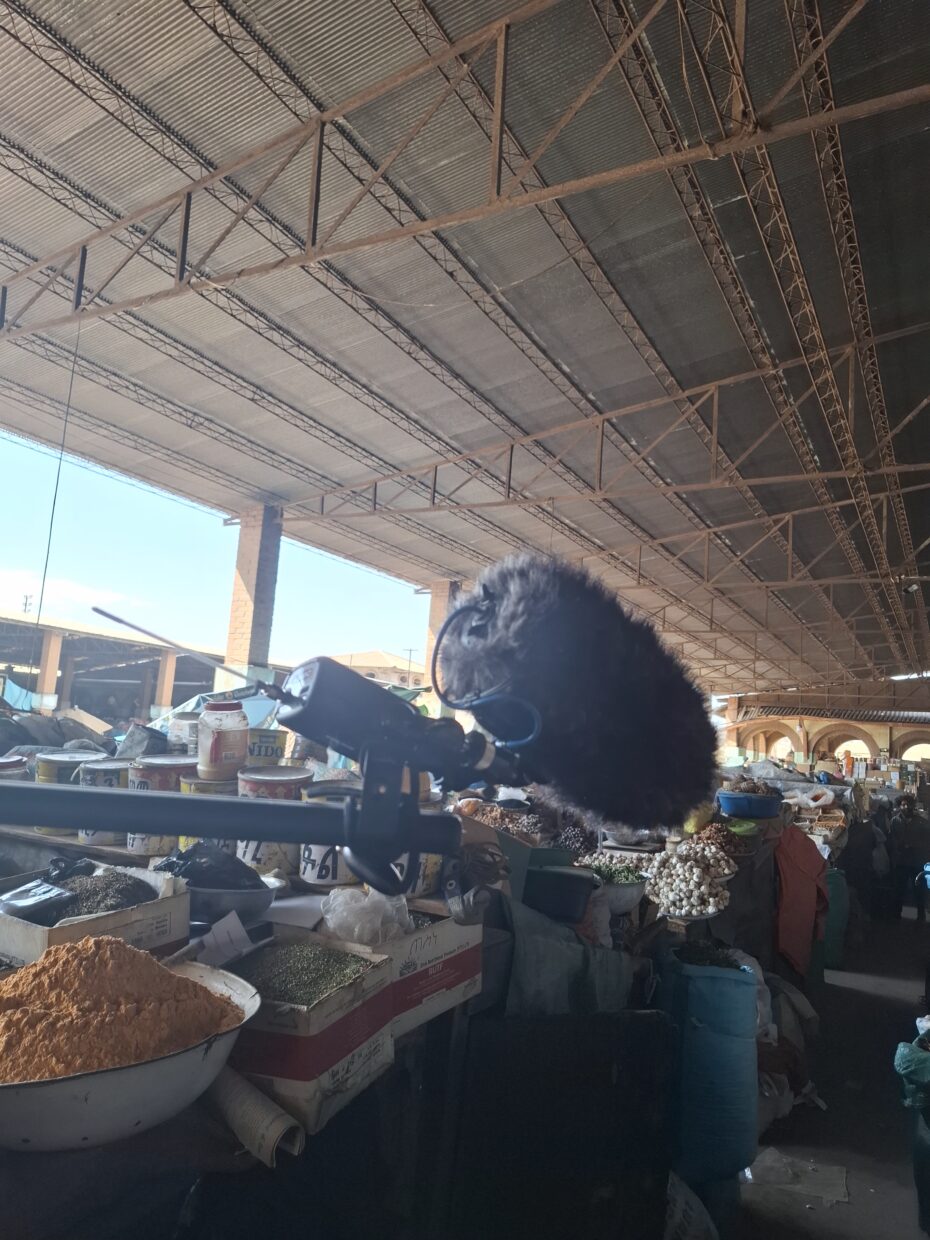
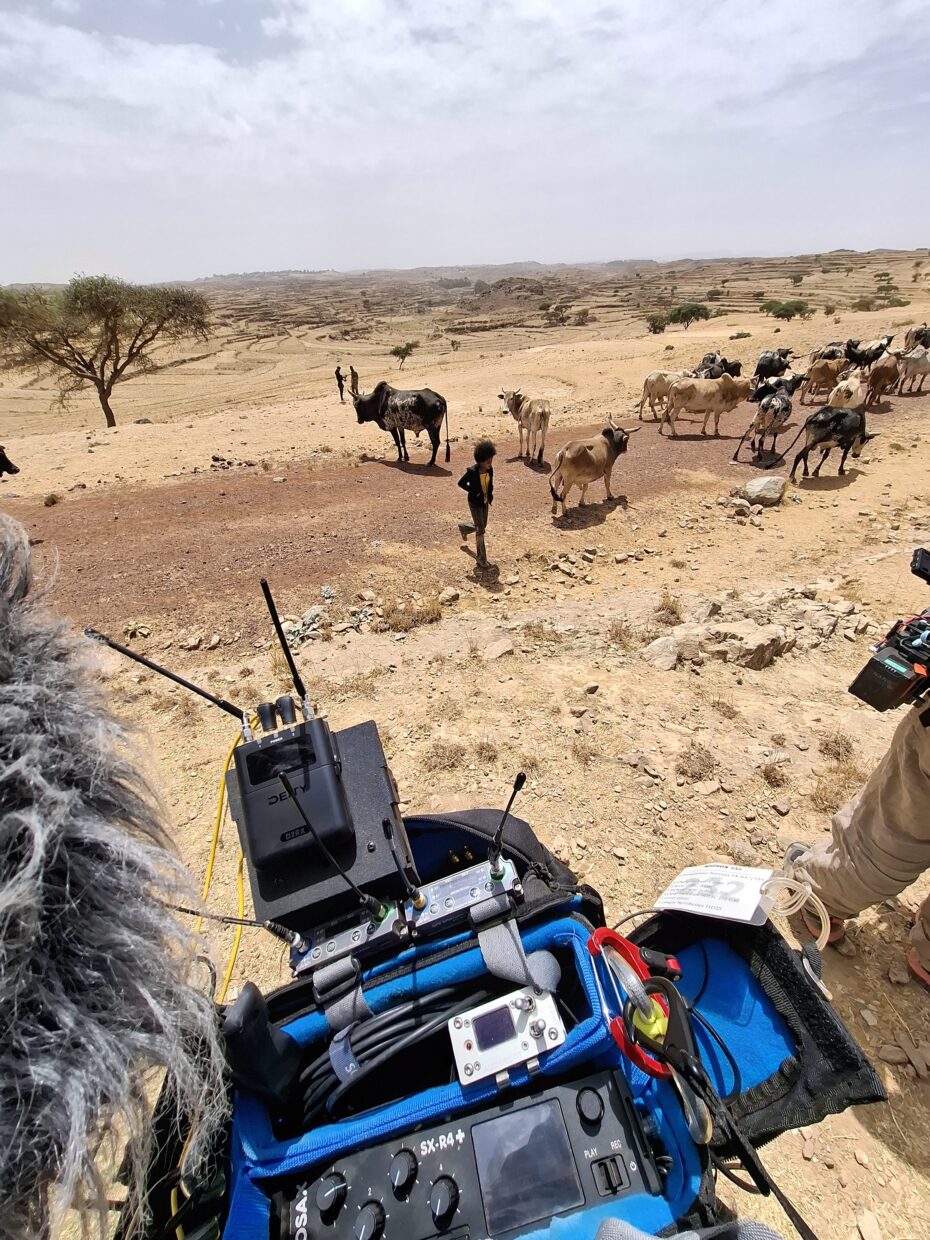
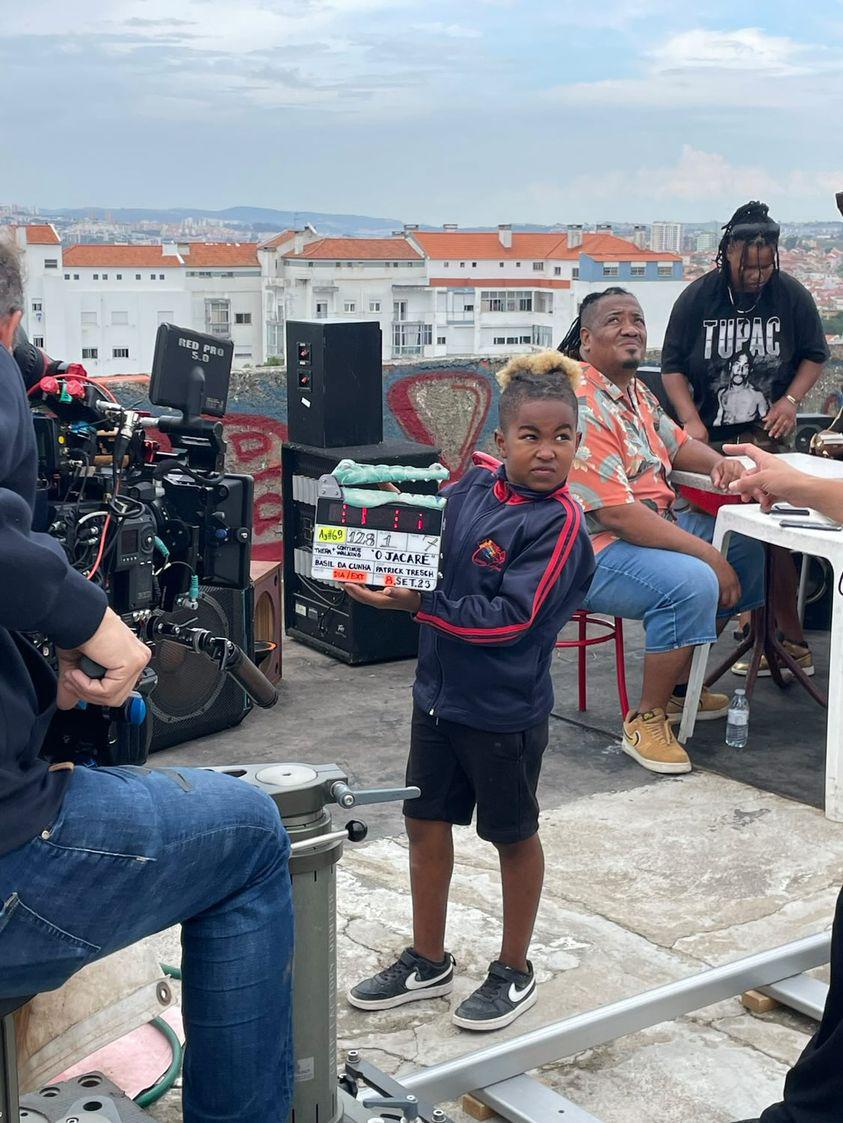
From a trying Cape Verdean neighbourhood in Lisbon to an artisanal gold rush deep in the Sahara, to shooting on location in Eritrea with no electricity and barely any running water. This last year put every piece of his kit through the kind of punishment most gear never sees.
Extreme dust, gunfire and heat. Igor Marlot needed equipment that simply could not fail. Here’s what he learnt, particularly about car rigs and monitoring, and why two Deity products earned a permanent spot in his workflow.
Deity THEOS in Multiple Car Rigs
Every sound recordist knows the dread: you’ve got a carefully planted lav inside a vehicle, the camera is rolling, the scene is alive, and your main wireless rig just dropped out. There’s no cut, no clean take to fall back on. You either have the audio or you don’t.
“They once saved me when my main high-end wireless rig abruptly stopped working. No backup plan beyond the Theos. We got the scene.”
Car rigs demand a specific set of properties from a wireless system: rock-solid RF stability inside a metal box, file recording with timecode stamping so you’re protected even if transmission burps, and wideband capability so you’re not fighting for spectrum on a cluttered location. The Deity THEOS delivers all three.
The IFB Upgrade He Didn’t Know He Needed
For years Marlot worked with low-end IEMs for monitoring on set. They did the job. He thought he knew what he was getting… Until the DIFB arrived.
The difference wasn’t incremental. It was the kind of quality gap that makes you realise how much nuance you were missing in the signal; subtle noise floor shifts, proximity effect, room tone bleeding in under dialogue. The DIFB’s monitoring quality lands on a different level entirely, and the added features represent what I can only describe as a technological leap.
“Having previously used low-end IEMs, the quality and added features represent a technological leap I am thrilled to integrate into my workflow.”
The Bluetooth monitoring capability hasn’t been stress-tested in live conditions yet, but the potential is obvious. Untethered monitoring during a complicated car rig setup, or when you need to move around set to check lavs without being tied to the cart, is exactly the kind of operational freedom that changes how you work.
Timecode That Just Works
The TC-1 is Marlot’s timecode backbone. For single or multi-camera shoots, it handles synchronisation without drama, and the ability to sync via the SIDUS Audio app, navigate menus, and verify timecode on the OLED screen without needing a phone interface is exactly the kind of thoughtful design that pays dividends at 6am on a complicated location.
The real power for car rigs and plant mics is the ability to jam a transmitter on the go and record timecode-stamped files. Drop it in the car, walk away, and trust that sync is handled. That’s not a convenience: in unscripted documentary situations, it’s the difference between usable production audio and a sync nightmare in post.
Across Lisbon, the Sahara, and Eritrea, three wildly different productions pushed the limits of what’s reasonable to ask of a sound kit, and the Deity ecosystem held its own. Not in a “good enough for the budget” way. In a “I never had to think about it” way.
For car rigs specifically: THEOS for plant mics with timecode-stamped file recording, TC-1 for jammed sync on the go, DIFB for monitoring that keeps pace with the rest of the rig. That’s a workflow that has now been proven across three features in some genuinely hostile conditions. I’m not switching.
The Power Solution That Saved the Eritrea Shoot
There’s a piece of kit that doesn’t get talked about enough, and frankly deserves its own section: the DQC1 Smart Battery Charger.
It’s easy to overlook a charger. It’s not the sexy piece of equipment in the bag. Until you’re on a location with no mains power, a solar-charged battery bank as your only energy source, and a full day of shooting ahead of you.
That was Eritrea. No electricity and smart batteries that needed charging.
The DQC1 made it possible. Its USB-C input means it draws power from any standard USB source, which in practice meant plugging directly into a solar-powered battery bank and keeping the Deity smart batteries topped up throughout the day. It’s currently the world’s smallest smart battery charger, so it lives permanently in the sound bag without taking up meaningful space. The metal chassis keeps it durable, and the four LED indicators mean you always know where you stand on charge status without guessing.
“Without it, I simply couldn’t have charged my smart batteries off the solar setup. It saved the shoot.”
The Eritrea production is the clearest example, but the DQC1 has become a fixture in every off-grid situation since. Documentary work, by definition, takes you to places where you cannot predict your power infrastructure.