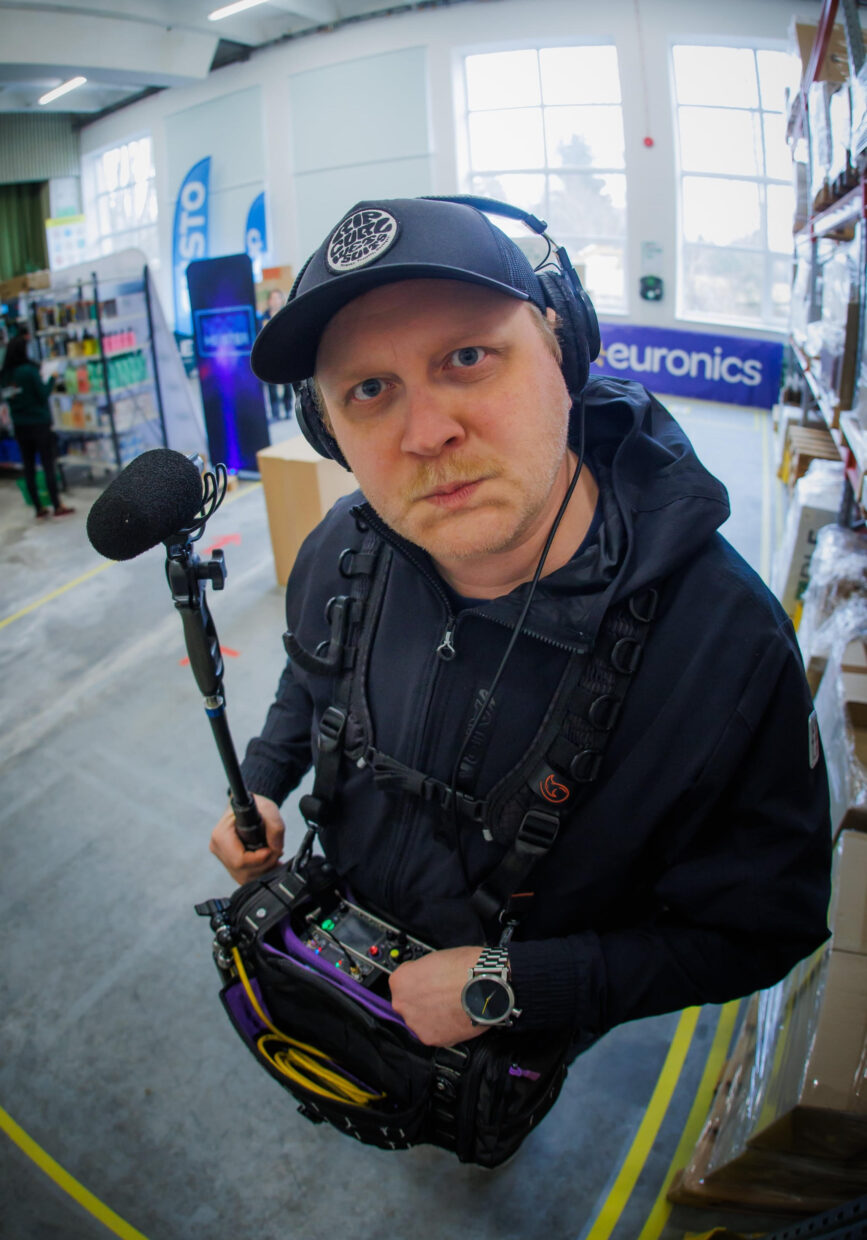
How a sound recordist in Estonia built a scalable wireless workflow for Armastuse Malev on Kanal 2, using PR-2 body recorders as the backbone of a fully synced, multi-participant production.
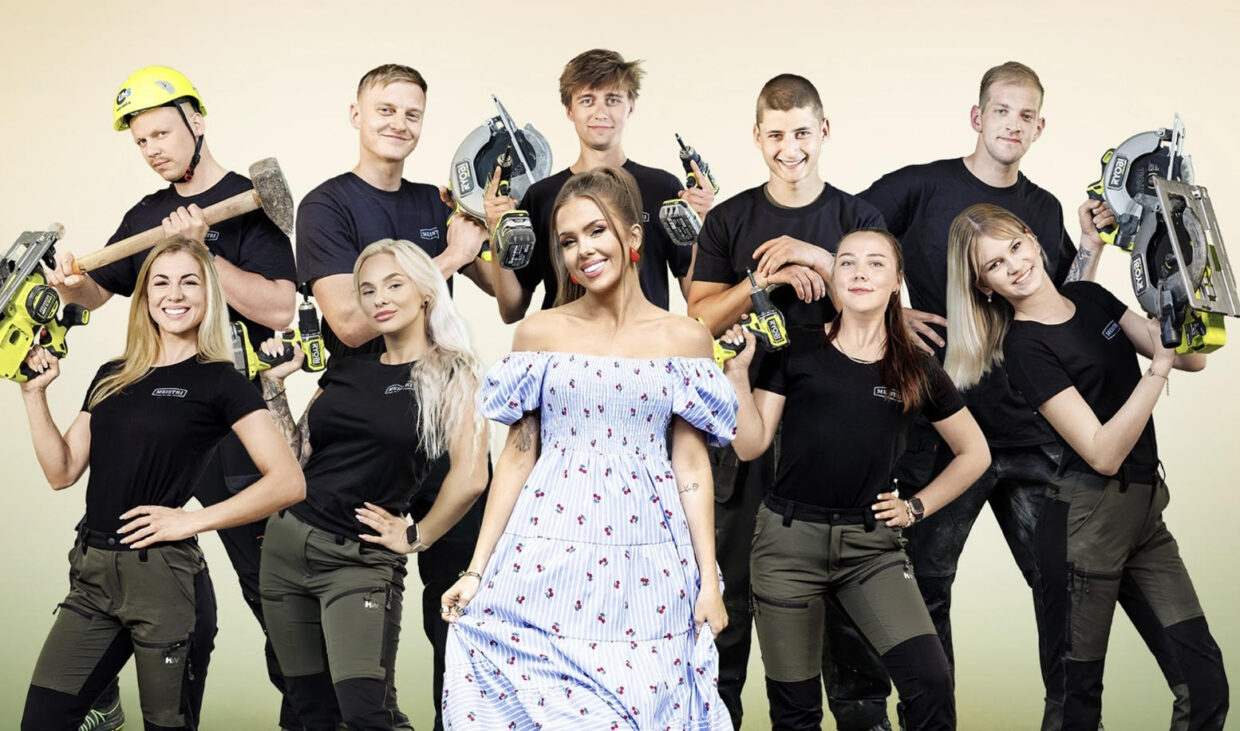
Reality television is a logistical challenge that most sound departments would rather not think about too hard. Participant counts shift mid-shoot, days stretch past any reasonable definition of “a long day”, and the talent — bless them — will occasionally decide that jumping into a hot tub is a perfectly reasonable thing to do while wearing a microphone. Armastuse Malev, which aired on Kanal 2 in 2025, presented exactly this kind of environment, and required a recording workflow flexible enough to bend without breaking.
The kit: scaling up and down with the cast
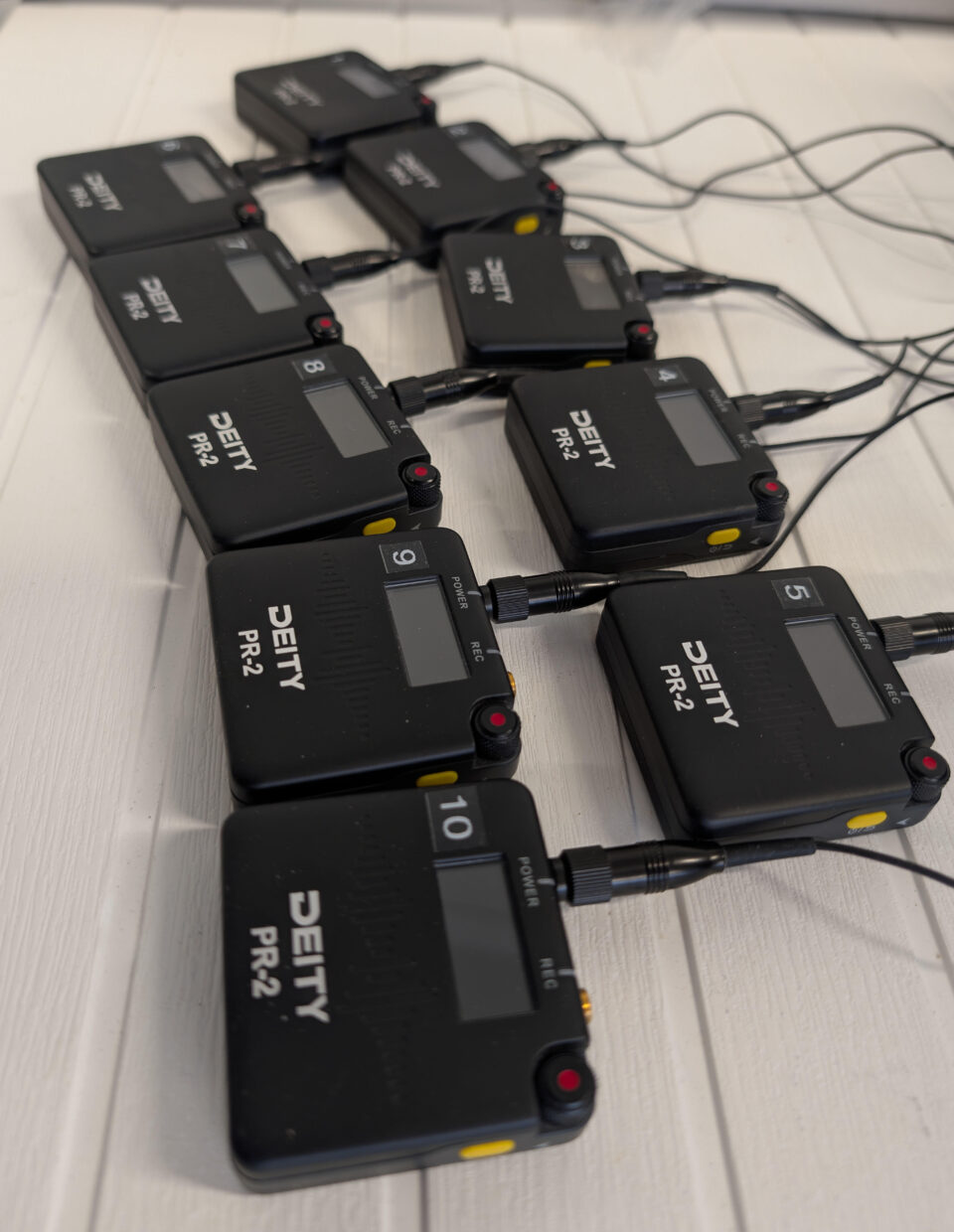
With a cast that fluctuated as participants joined and left throughout the series, the recorder count sat between eight and ten PR-2 units at any given time. Rather than treating this as a headache, the variability was built into the system from the start — each unit operates independently, so adding or removing a recorder from the rig is genuinely seamless.
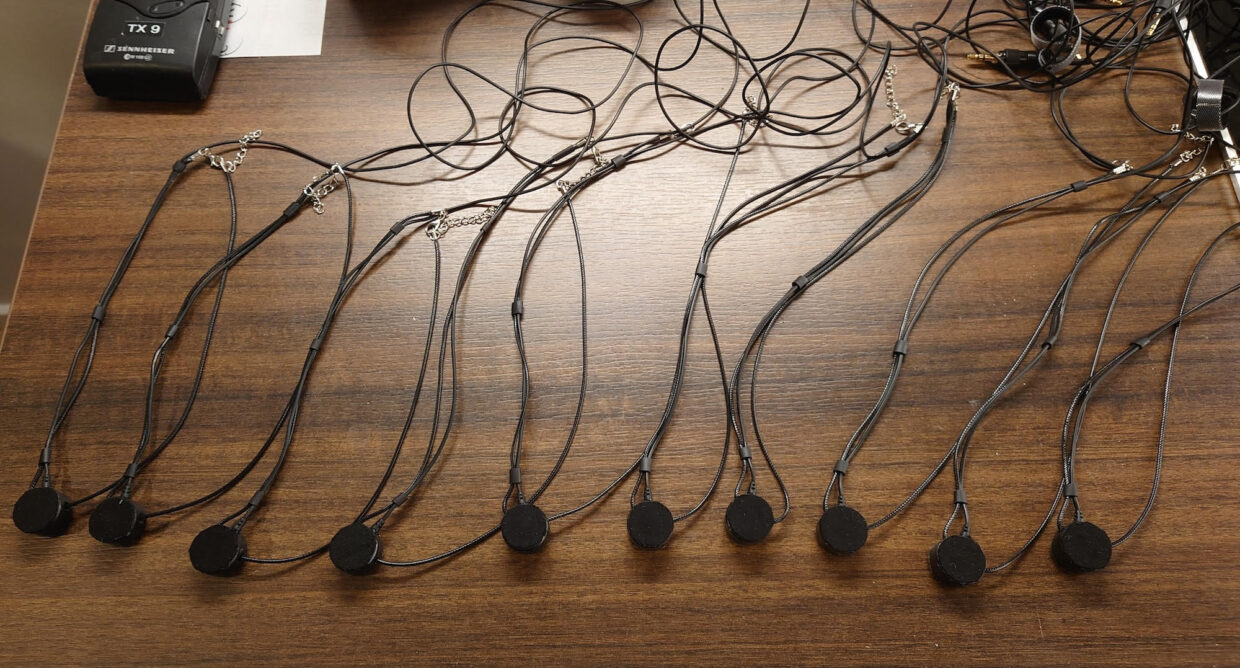
Custom necklaces by Marko Sein using the Deity W.Lav Lavalier Mics
Start-of-day ritual: sync, timecode, go
Every unit goes into the bag the night before with fresh Ladda 2450 batteries and a freshly formatted memory card. First thing in the morning, all PR-2s are powered on with Sync Rec mode already configured — the Sidus Audio app handles a simultaneous group sync and sets Time of Day timecode across all devices with a single tap. From that point, every recorder is running in lockstep.
Timecode for the camera side comes from a Tentacle Sync fed by LTC output from one of the PR-2’s 3.5mm outputs, making the recorder effectively the master clock for the whole production. Where needed, that same reference is used to align the Wisycom MPT61 transmitters worn by the show’s host and guests.
Using the PR-2 as the LTC master clock means a single sync point covers both the body recorders and the camera package — one fewer variable to troubleshoot at the end of the day.
Monitoring on the move
Keeping tabs on eight or more recorders during an active shoot is its own discipline. A USB-C to 3.5mm cable routes a phone directly into the Sound Devices 833, which means the Sidus Audio app — and every active PR-2 — can be monitored through the mixer at any point during the day. Periodically walking the set to do a physical check covers the rest. At wrap, all units are collected and files are pulled directly via the built-in USB reader feature.
Why the PR-2 specifically
Two factors drove the choice. The first was battery life: at 18-plus hours on a set of Ladda 2450 cells, the PR-2 comfortably outlasts a full production day in a way that competing options — which were clocking in around 12 hours — simply couldn’t guarantee. Running out of recording time before the day ends is not an acceptable outcome on a reality shoot.
The second was format. The included 32 GB SD card holds 57 hours of 24-bit audio per unit, which is far more headroom than a day’s shoot will ever consume. Notably, 32-bit float recording was never even needed — the built-in limiter handled the dynamic range without any clipping across the run of the show. The colour display, which removes the need to unlock a phone every time a setting needs changing, is a small but genuinely useful addition in a fast-moving environment.
Each PR-2 ships with a W.Lav Pro microphone, meaning the cost per channel — recorder plus lavalier — is low enough that the risk calculus of running ten units simultaneously on a reality show doesn’t cause any sleepless nights.
One participant jumped into a hot tub mid-shoot while still miked up. The recorder appeared dead. Roughly a week later, it powered on and has worked without issue since.
Power and RF for the mixer rig
Alongside the body recording setup, an SPD Mini handles power distribution for the Sound Devices 833 and both Wisycom MCR54 receivers, while an SRD Mini keeps RF performance solid on the receive side. The whole package takes up very little bag space — an important consideration when you’re covering a set all day rather than operating from a fixed cart.
Custom mic placement: solving an old problem
Standard reality TV mic placement tends to be functional rather than elegant — cables running across the torso, waist belts that look and feel uncomfortable, necklace mics that sit crooked or move throughout the day. Rather than accepting that as the default, a DIY solution was developed for Armastuse Malev.
Metal rings sourced from a hardware store turned out to have openings sized precisely for the W.Lav Pro. Additional holes were added for the necklace cord. The capsule was wrapped in fur and covered with fabric, creating a windproof housing with enough weight to keep the mic consistently centred on the chest. Lightweight waist pouches provided a comfortable, low-profile home for the PR-2 itself. Participants stopped noticing they were wearing anything within a short time of being miked up — one famously forgot entirely and went swimming.
Current work: Naabrist Parem
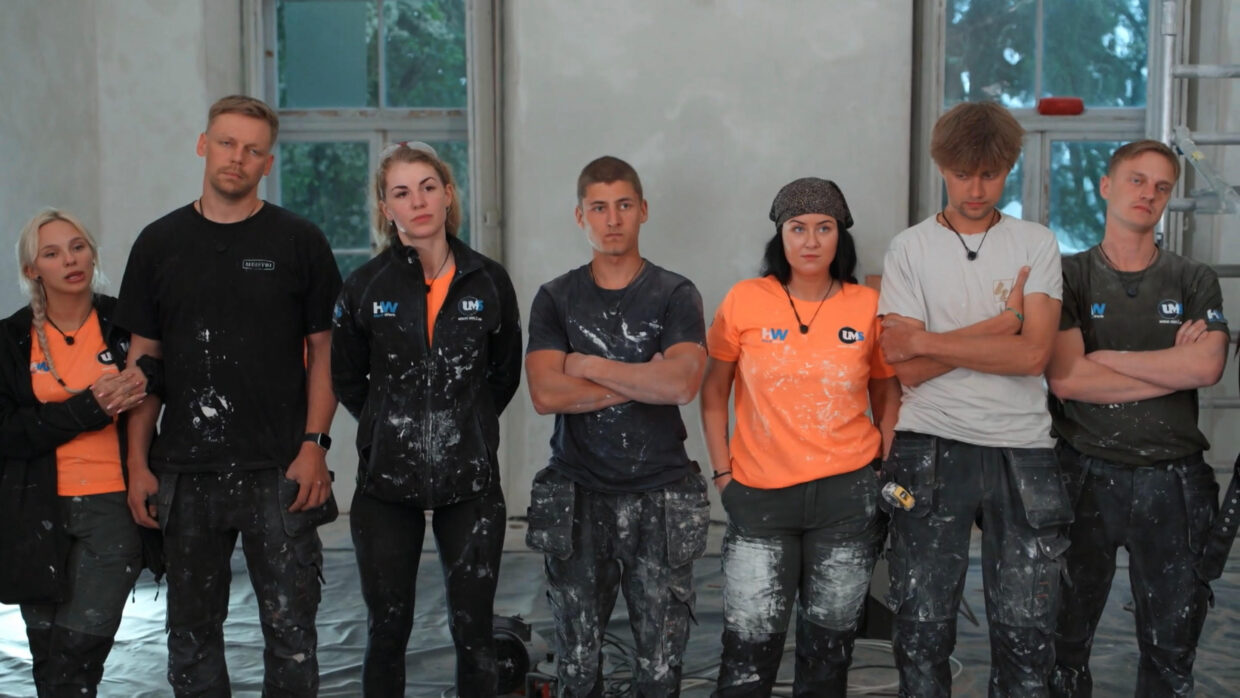
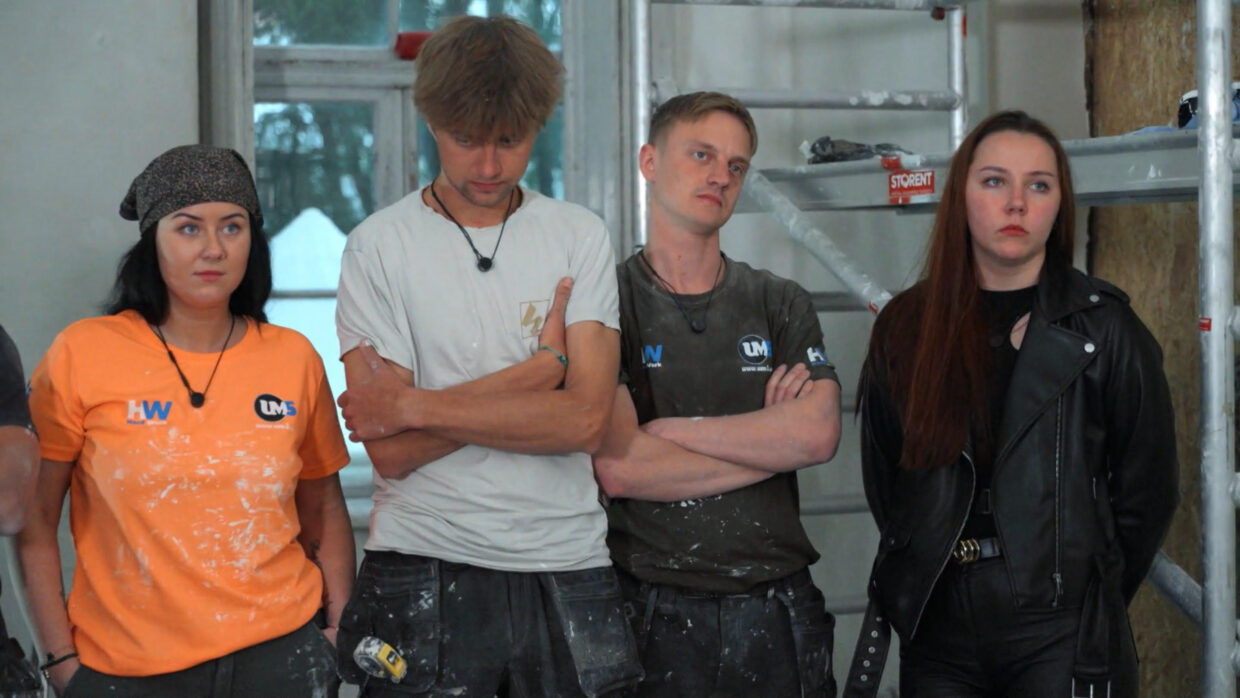
The same PR-2-based system is now running on Naabrist Parem (Better Than Neighbour), a competition show following four couples as they renovate their own apartments. Contestants move unpredictably between locations — including hardware store runs — making a wired or RF-dependent approach impractical. With body recorders handling capture independently, RF coverage stops being something to worry about entirely.